Date: 11 November 2026, 09:00
Venue: HUN-REN Centre for Natural Sciences, 2 Magyar Tudósok Körútja, H-1117 Budapest, Hungary
Main organizer: Gábor Dénes Award Winners’ Club Association (GDKE), 23 Hold Street, H-1054 Budapest, Hungary


Date: 11 November 2026, 09:00
Venue: HUN-REN Centre for Natural Sciences, 2 Magyar Tudósok Körútja, H-1117 Budapest, Hungary
Main organizer: Gábor Dénes Award Winners’ Club Association (GDKE), 23 Hold Street, H-1054 Budapest, Hungary
The energy sector is undergoing a transformation of historic proportions. Growing electricity demand, artificial intelligence, and the rapid expansion of digitalization are fundamentally reshaping the way the sector operates. At the same time, the accelerated deployment of renewable energy sources and new requirements for energy security are creating fresh challenges in generation, distribution, and consumption.
Recent events, including cooling difficulties at the Paks Nuclear Power Plant caused by low water levels in the Danube, temporary overproduction from solar power installations, and unpredictable fluctuations in energy prices, have highlighted that the future of energy is no longer solely a question of generation capacity. Rather, it is increasingly a challenge of technology, innovation, grid management, and energy storage.
The objective of the conference is to provide a comprehensive overview of the current changes affecting energy markets, the latest scientific and technological developments, and the economic and social challenges arising from them that may shape the next decade of the Hungarian and European energy systems.
The event will create opportunities for energy producers, transmission and distribution companies, industrial stakeholders, researchers, experts, and decision-makers to meet, exchange experiences, and develop new collaborations.
A key objective is to provide a professional platform where companies committed to energy efficiency, energy optimization, and innovative energy solutions can present their achievements, share best practices, and establish valuable new professional relationships.
The official languages of the conference are Hungarian and English.
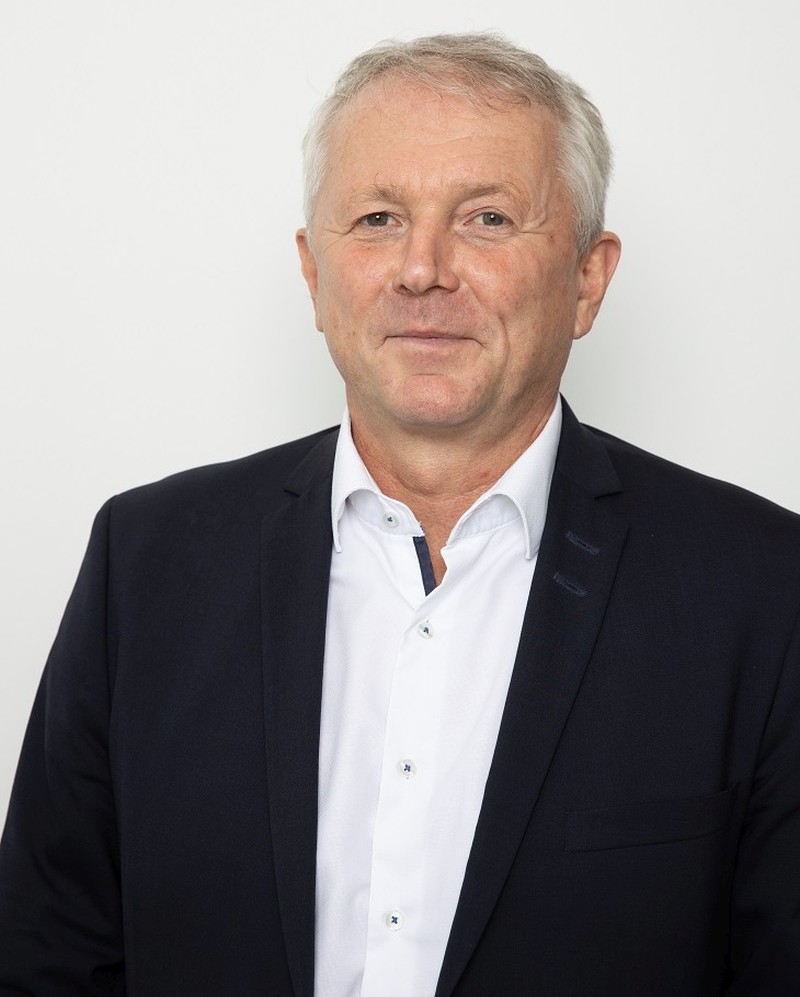
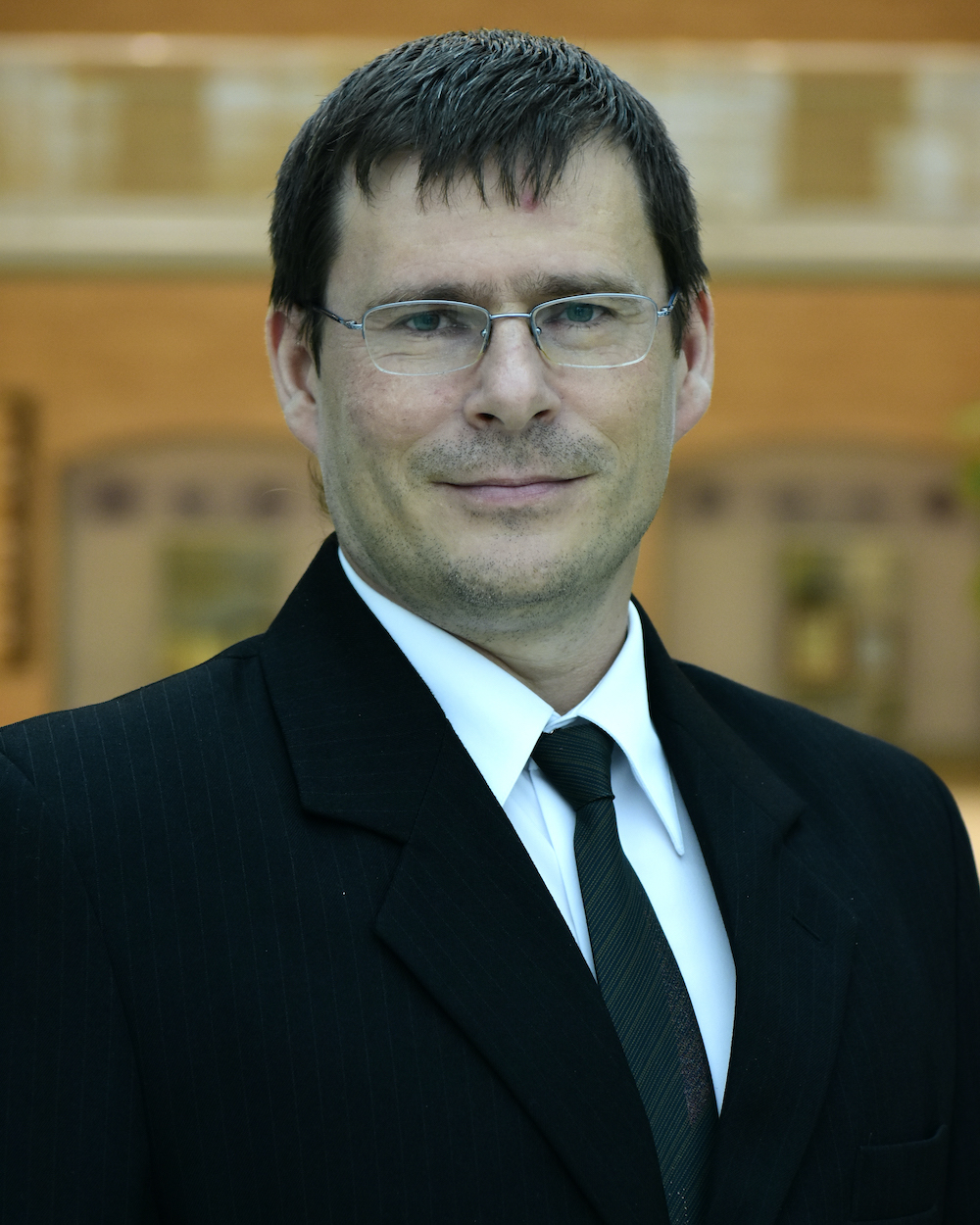
András Tótth: Magyarország energiahelyzete 2026-ban – kihívások és válaszok
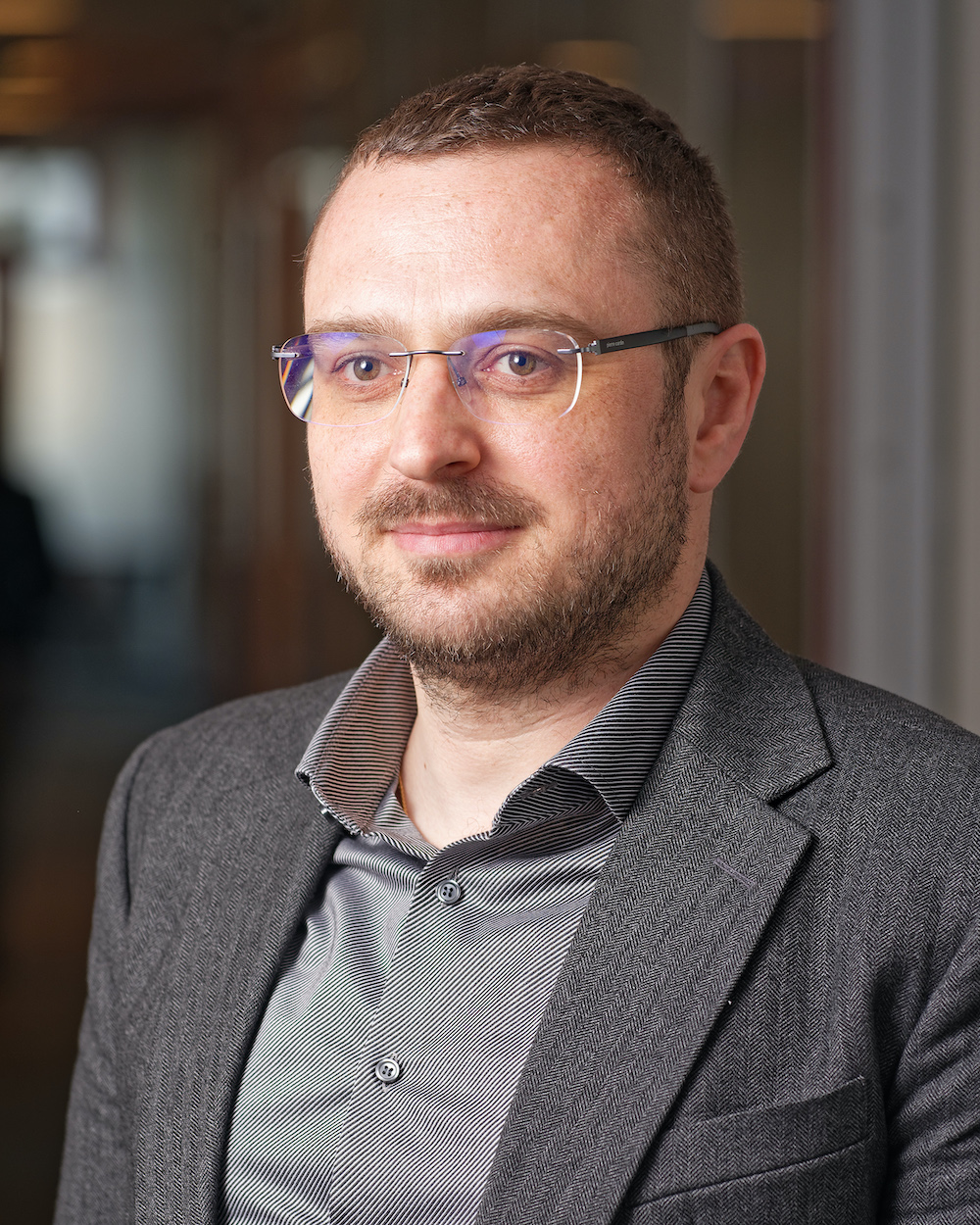
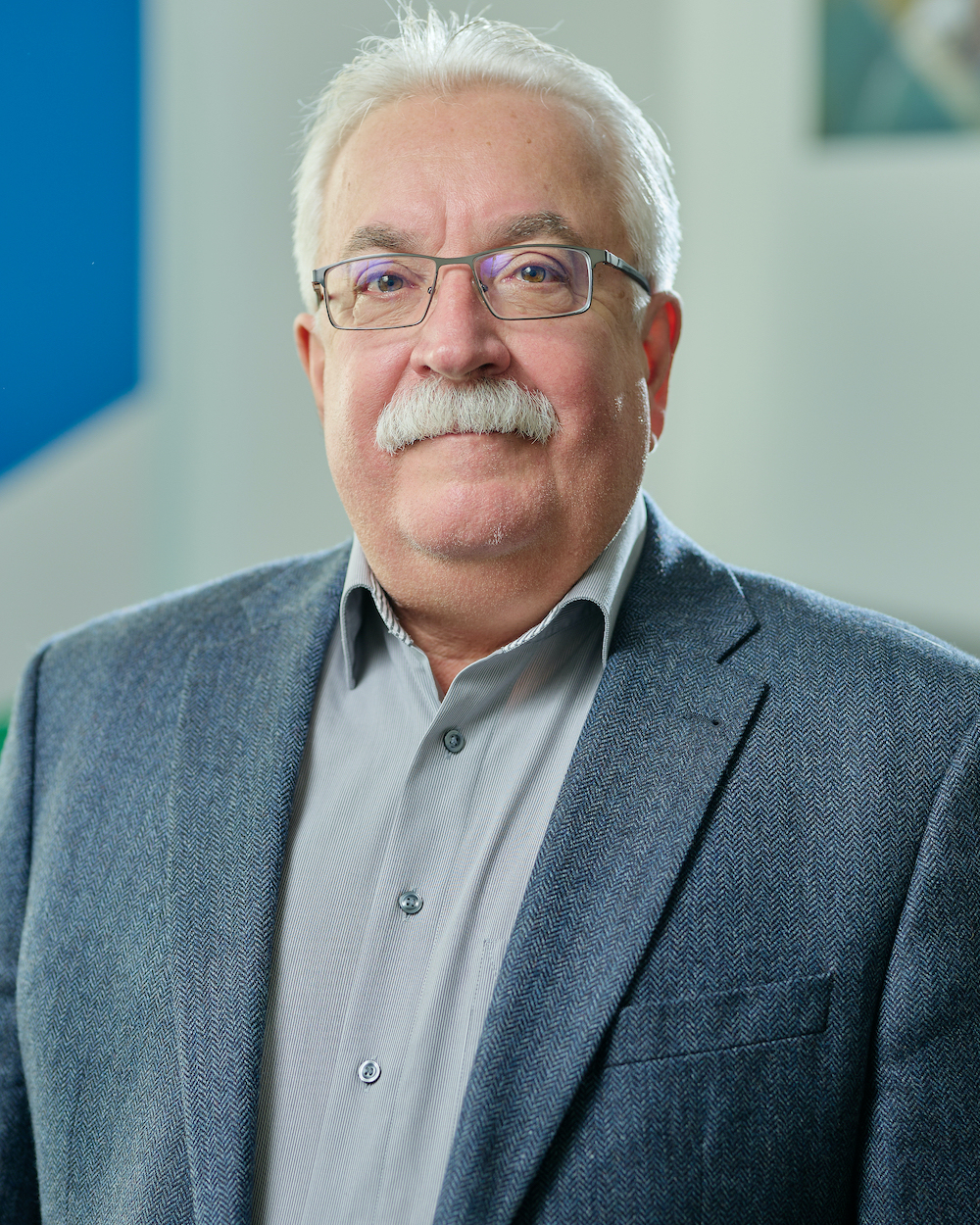
Tamás Gyepes: Az energetikai átállás a tervezőasztaltól az üzemeltetésig – a megvalósítás valódi kihívásai
The list of panel participants and moderators is continuously being updated.
1. Hungary’s Future Between 2026 and 2040: Energy Situation, Trends and Prices
This panel will provide a comprehensive overview of Hungary’s current energy situation, the strategic challenges facing the sector, and the long-term trends shaping the evolving energy market. Perspectives from policy, industry, engineering, and economics will jointly illustrate how the Hungarian energy system is expected to change in the coming years and what these changes mean for decision-makers, businesses, and consumers. The discussion will offer a complete picture of both the current state and the future outlook of the energy sector, covering topics from regulation and investments to the factors influencing energy prices.
Moderator:
Krisztián Szigeti
Participants:
András Tótth, Viktor Sverla, Tamás Hiezl
2. The Future of Green Electricity
This session will examine how Hungary’s electricity generation mix is expected to evolve over the coming decade and the roles that solar, wind, hydropower, and nuclear energy will play within it. Participants will discuss the technical and regulatory challenges associated with integrating renewable energy sources into the grid, as well as approaches to maintaining security of supply within a rapidly changing energy system. The goal of the session is to provide a clear picture of the opportunities and limitations of green electricity generation in Hungary.
Moderator:
Attila Aszódi
Participants:
Péter Bencs, Péter Lendvay
3. The Future of Green Heat
This session explores the future of thermal energy from the perspectives of geothermal, hydrogen-based, and agricultural energy solutions. Experts will present pathways for reducing dependence on fossil fuel-based heat production and discuss the technical, economic, and regulatory requirements necessary for the large-scale deployment of modern heating technologies. The aim is to demonstrate that transforming the heat market is just as important as modernizing the electricity system.
Moderator:
István Szén
Participants:
Anita Simon, Gábor Szita, Tamás Jászay
4. Smart Grids and Grid Digitalization
This session will explore how digital networks, real-time data collection, predictive maintenance, and IoT-based operations are transforming electricity distribution. Experts will discuss the new capabilities expected from Distribution System Operators (DSOs) and Transmission System Operators (TSOs) due to renewable integration, grid-support services, and cybersecurity requirements. The goal is to provide a comprehensive overview of the operation of “Grid 2.0” and the modernization pathways required to achieve it.
Moderator:
Bálint Németh
Participants:
Márton Szentpétery, Gábor Szűcs
5. Energy Storage and Alternative Storage Technologies
This session presents the rapidly evolving world of energy storage, including next-generation battery technologies, thermal storage solutions, and their roles in system operation. Experts will review how storage technologies support renewable energy integration, flexibility services, and security of supply. The objective is to provide insights into the technical, regulatory, and economic conditions shaping Hungarian and regional energy storage strategies.
Moderator:
Péter Kaderják
Participants:
András Tompos, István Vokony, Mariann Vadászi
6. Energy Efficiency and Urban Energy Management
This session focuses on technological opportunities for improving industrial and building energy efficiency, as well as the modernization of urban energy systems. Experts will discuss digitalized operations, smart buildings, district heating developments, and the role of decentralized energy solutions. The objective is to demonstrate how energy consumption can be reduced at the system level and how cities and industrial facilities can become significantly more energy efficient.
Moderator:
Márton Havas
Participants:
Ágnes Szalkay-Lőrincz, Zsuzsa Szalay
The number of conference participants is limited. Places fill up quickly, so it is advisable to register as soon as possible to secure your place.
The registration deadline is November 6. Participation is only possible with prior online registration.
⚠️ The registration fee is payable by bank card via Stripe, an electronic payment processing system. Card details are handled on Stripe’s own secure payment page. The organiser does not have access to and does not store the buyer’s card details; it only receives notification of the transaction result.
Please indicate whether the invoice should be issued to a private individual or to a company/institution. If you request a company invoice, providing a tax number is mandatory. Please make sure all details are accurate, as the invoice cannot be modified after it has been issued.
Egyetemek, kutatóintézetek és egyéb akadémiai intézmények oktatói, kutatói, tudományos munkatársai, és egyéb tudományos munkakörben dolgozók és nyugalmazott munkatársak részére.
Vállalatok, vállalkozások, intézmények és szervezetek munkatársai, vezetői, szakértői, valamint magánszemélyek, egyéni résztvevők részére.
Kizárólag a Gábor Dénes-díjasok és a GDKE Egyesület aktív tagjai számára elérhető regisztrációs lehetőség.
A közoktatásban résztvevők vagy felsőoktatási jogviszonnyal rendelkezők számára a részvétel ingyenes. A hallgatói résztvevők száma korlátozott, maximum 75 fő jelentkezésére van lehetőség.